
- You are here:
-
Home

- Guide
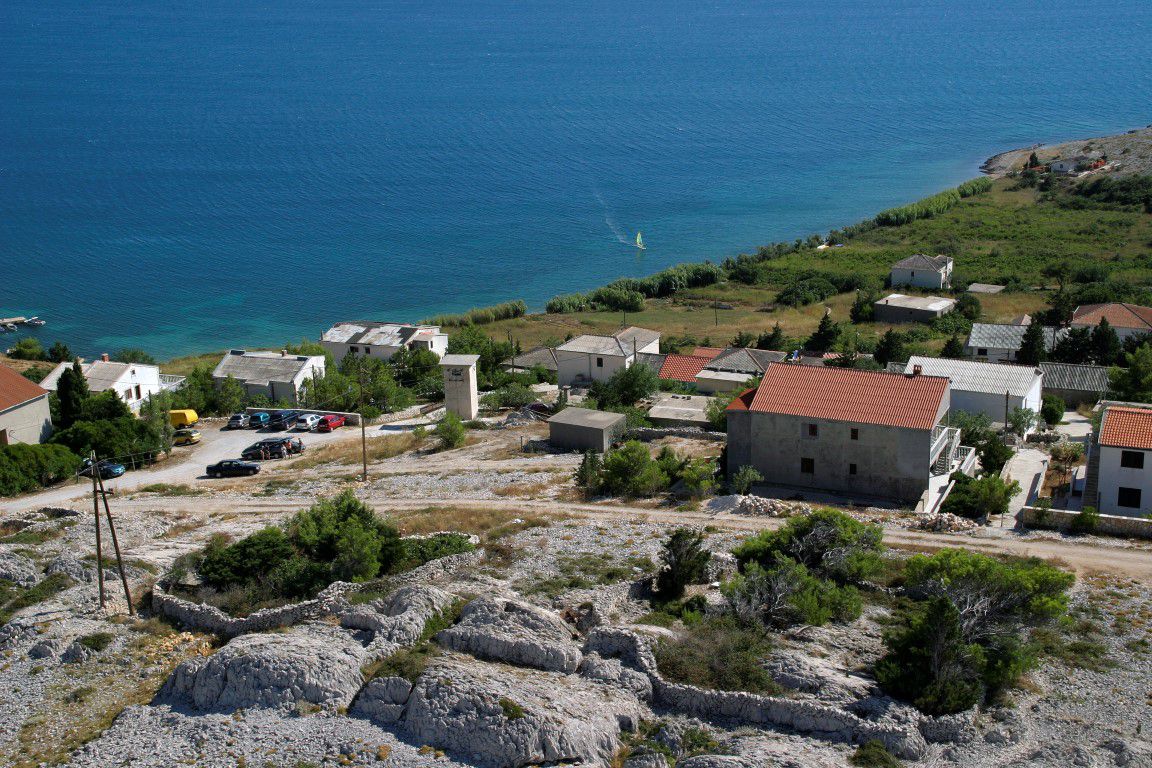
A small village nestled in a quiet natural cove, right next to Vlašići. Those seeking peace and quiet, a clean sea, pristine beaches, and kindly hosts will find an ideal vacation spot here. The village, actually a row of family homes, stands above a long, distinctive beach.
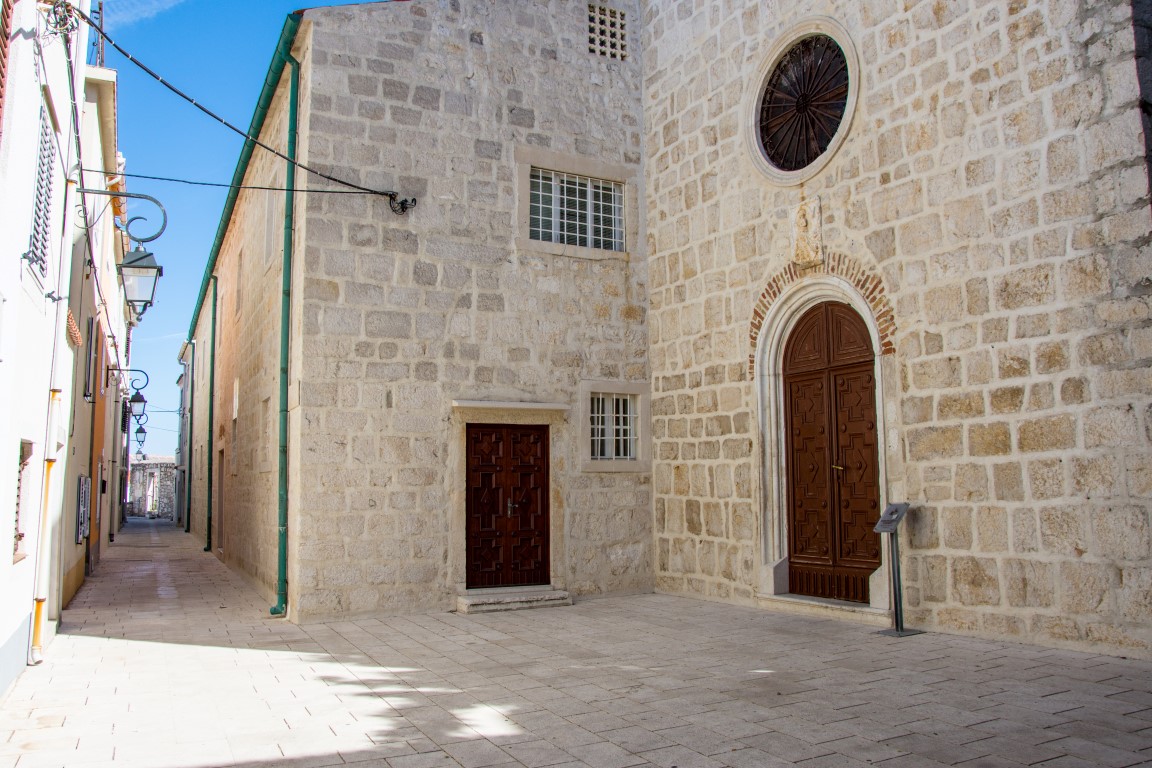
The construction of Pag’s Benedictine Convent of St. Margaret began right after the new town of Pag was established, as a memorial to the former church and convent in the Old Town.
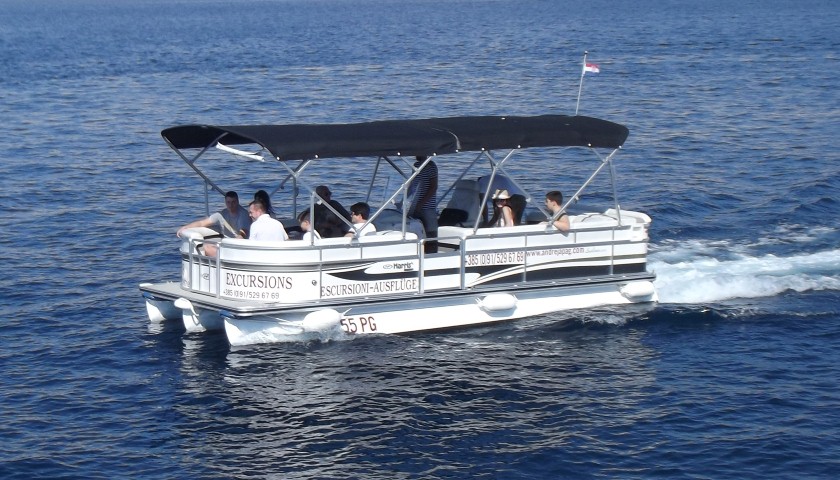
Andreja Boat Tours was established in 2012, and since then many satisfied guests have had the opportunity to explore the hidden beauties of Pag’s numerous coves, beaches and caves that can most often only be reached by sea. The boat can admit 12 passengers, and private excursions can be organized for smaller parties. At an average speed of 12 nm, most sites can be reached within 15 minutes.
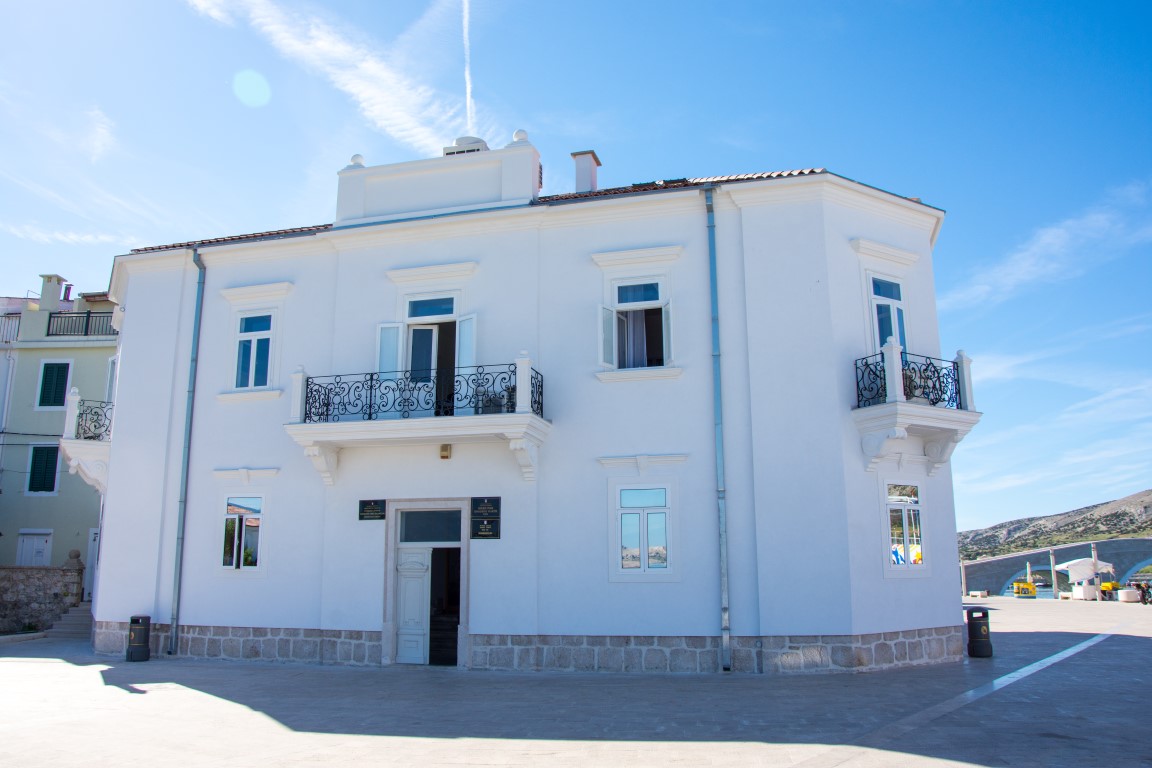
Kamerlengo Tower no longer stands in its original form. The former tower today houses the town government, while during the summer months the Town Hall serves as an exhibition space for various artists.
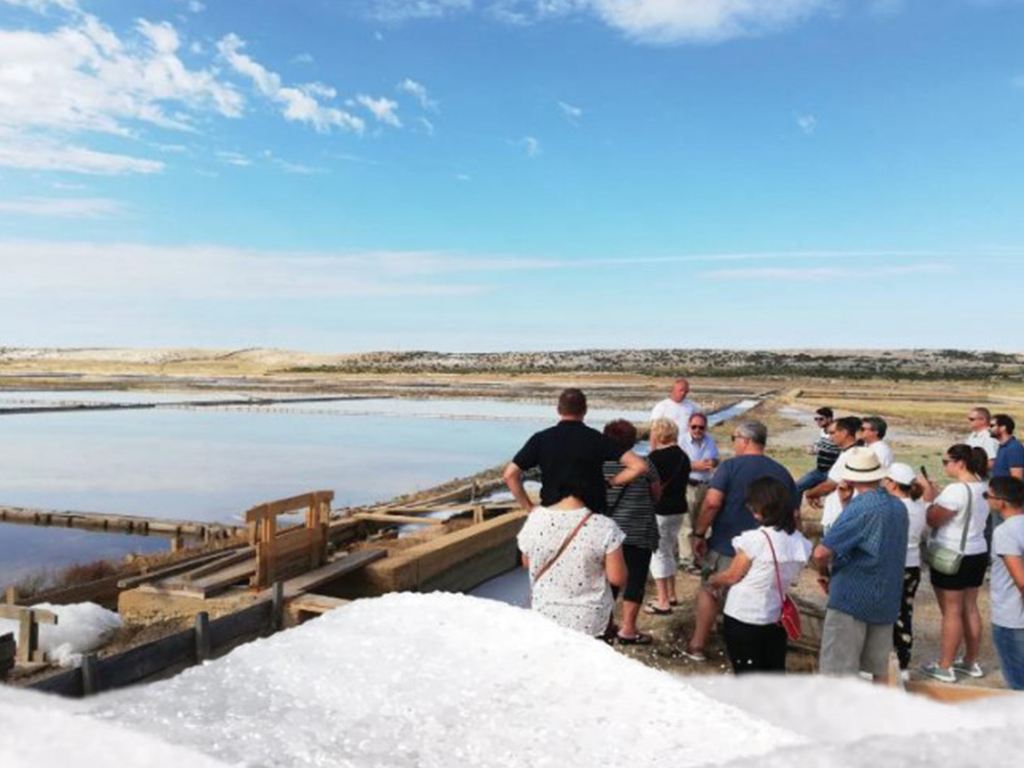
Solana Pag od 01.06. za sve zainteresirane nudi edukativne radionice na otvorenom. Na radionicama možete saznati o povijesti Solane, načinu proizvodnje soli, nekada i danas, te o sastavu, kvaliteti i važnosti soli. Prilikom radionica se nudi uz kompetentno vodstvo razgled bazena, pratećih zapornica i kanala.
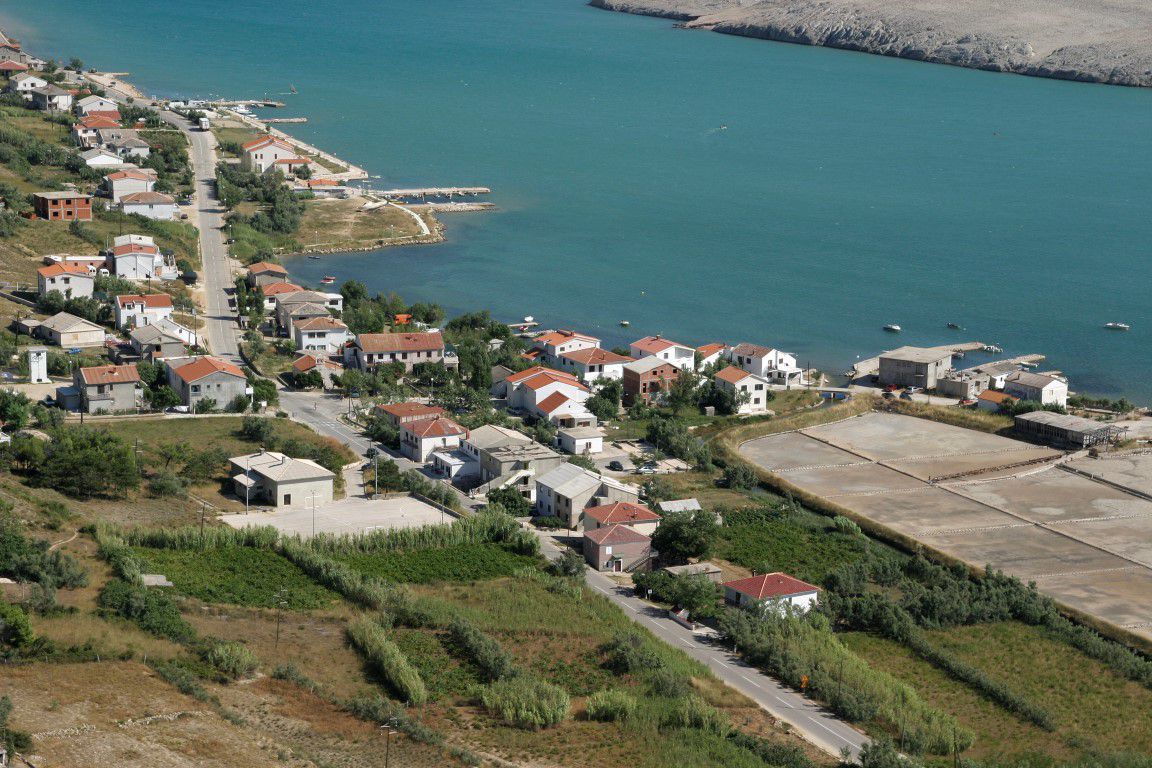
A picturesque village on the southern side of the island of Pag, in a pristine, shallow cove with numerous secluded beaches. A former salt pan, built under French rule, can be seen in the cove.